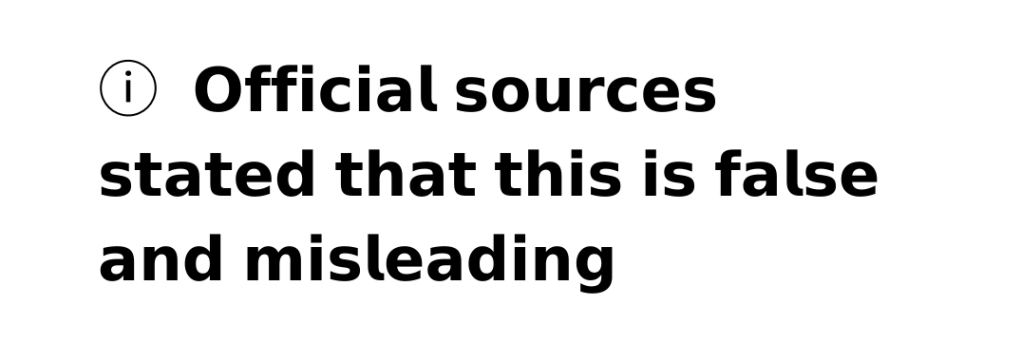
Have you seen these information disclaimers that are being attached to social media posts? It’s some variation of “𝗢𝗳𝗳𝗶𝗰𝗶𝗮𝗹 𝘀𝗼𝘂𝗿𝗰𝗲𝘀 𝘀𝘁𝗮𝘁𝗲𝗱 𝘁𝗵𝗮𝘁 𝘁𝗵𝗶𝘀 𝗶𝘀 𝗳𝗮𝗹𝘀𝗲 𝗮𝗻𝗱 𝗺𝗶𝘀𝗹𝗲𝗮𝗱𝗶𝗻𝗴.”
While these disclaimers are often specific to political posts, I wish that we could get something similar for Biblical, religious, and theological posts.
Have you ever heard a Christian leader say something like “God helps those who help themselves” and claim it’s in the Bible? I’m sorry, but it’s not; official sources have stated that this is false and misleading. This is why it is so important to take what people say and verify it with Scripture.
In Acts 17:10-15, the Apostle Paul travels to the city of Brea (modern-day Veria in Macedonia). During his visit, he encounters a group of people who had high regard for scripture. Verses 11-12 read, “Now the Berean Jews were of more noble character than those in Thessalonica, for they received the message with great eagerness and examined the Scriptures every day to see if what Paul said was true. As a result, many of them believed as did also a number of prominent Greek women and many Greek men” (NIV)
Essentially, the Bereans would verify what Paul said with what Scripture said. As a result, the Bible tells us, many prominent leaders in their community came to believe the Gospel of Jesus Christ.
As Christian leaders, we have responsibility to be like the Bereans. Especially in an age of false and misleading information (both political and religious).
 Nick Chellsen