Similar to how Jesus used parables to teach spiritual principles, author Patrick Lencioni uses fables to teach leadership principles. In his leadership fable, The Motive (2020), Lencioni explains that there are two different kinds of leaders. The first kind of leader sees their leadership as a reward for all of their hard work. The second kind of leader sees their leadership as a responsibility to work hard for those in their organization. The first kind of leader is a self-centered leader. The second kind of leader is a servant leader.
Regarding self-centered leadership, Lencioni writes, “If reward-centered, self-centered leadership becomes the norm… The wrong people will aspire to be CEOs and civic leaders” (p, 170).
The other side of the leadership motivation coin is a servant leader. Regarding this kind of leadership, Lencioni writes, “If we can restore the collective attitude that leadership is meant to be a selfless responsibility, we will see companies become more successful, employees be more fulfilled, and society be more optimistic” (p. 170).
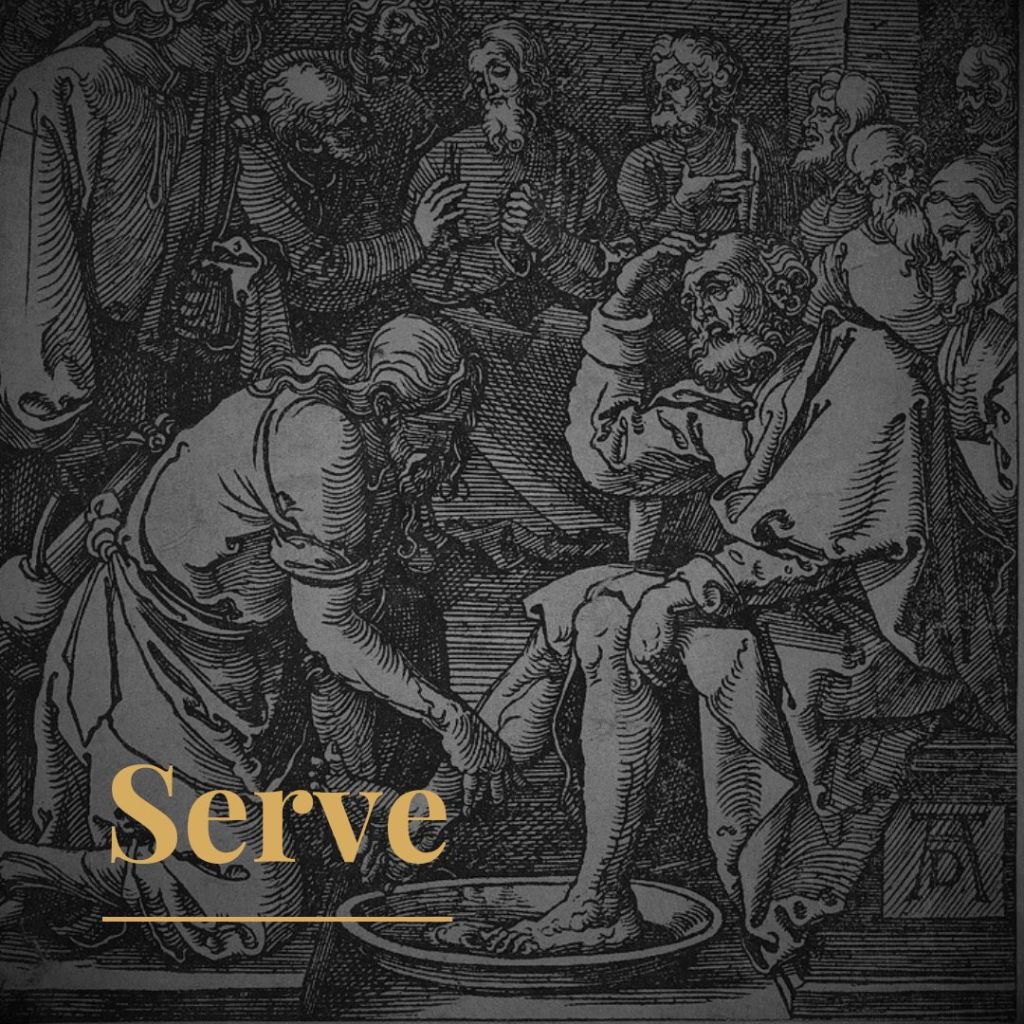
In my book, A Leader Worth Imitating (Principles 28: Serve), I explain that one of the ways Jesus modeled servant leadership was through washing His disciples’ feet in John 13:1-17.
While foot washing is not as common today as it was in Jesus’ day, there are still many ways to practice servant leadership. Think about a task that you would have an administrator, assistant, or intern do. Picking up coffee for the team is an example of this. By doing this task yourself, you can both serve and model servanthood to your team.
Think about it: How can you be a servant where you lead?
Subscribe
Subscribe to have posts like this emailed to you.
 Nick Chellsen