Advent Reading Plan: Matthew 1:1-17, Luke 4:23-37
Have you ever heard that song, “Father Abraham?”
Perhaps you sang it in Sunday School or around a campfire.
It goes like this:
Father Abraham had many sons
Many sons had Father Abraham
I am one of them and so are you
So let’s just praise the Lord
(Repeat 1,000X)
While this song is as repetitive (and annoying) as the “12 Days of Christmas,” it does highlight an important theological point. Even though followers of Jesus today might not have a physical family linkage to Abraham, through Jesus we share a spiritual lineage. We see this in this week’s readings, Matthew 1:1-17, Luke 4:23-37.
These passages contain the Genealogy of Jesus. Essentially, they are Jesus’ family tree. As you look at these passages, you might be tempted to skim through these long genealogies. I don’t blame you. I used to skim over these as well.
Matthew traces Jesus’ genealogy from Abraham to Jesus, while Luke goes even further by extending it all the way back to Adam. These genealogies contain many verses and names—some of which can be challenging to pronounce!
Like I said, I used to skim over these long genealogies in the Bible. That is, until I learned why they are important. As we are in the Advent season, many of us are rereading the story of Jesus’ birth. Because of this, we also need to discuss why Jesus came.
In my book, A Leader Worth Imitating (2022), I explained that Jesus’ purpose was to reconcile humanity’s relationship with God. Genesis reveals God’s intent to create humans in His image to know Him (Genesis 1:27). Despite humanity’s disobedience (Genesis 2), God pursued relationship through covenants such as those with Noah, Abraham, Israel, and David. These Old Testament covenants established ways for a holy God to connect with sinful people but were temporary. God promised a New Covenant (Jeremiah 31:31-34), one not limited to Israel but open to all (Isaiah 42:6), replacing the law-based relationship with one rooted in grace (Hebrews 8:1-13). Through this, God’s ultimate plan for eternal reconciliation is fulfilled.
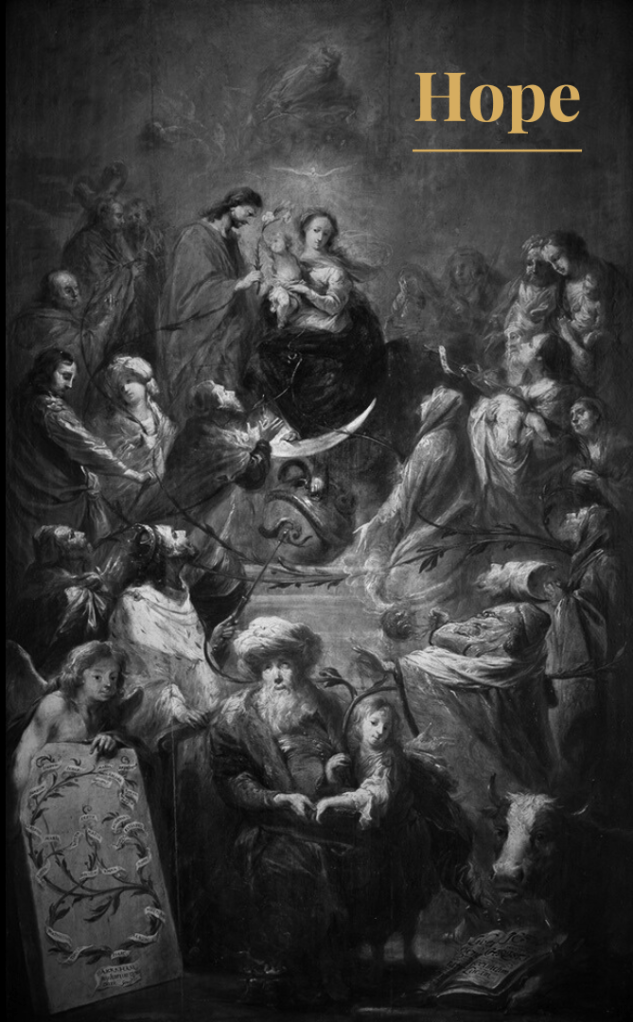
This is where the genealogies of Jesus in Matthew and Luke come in—they reveal the hope humanity has for reconciliation with God.
Through Jesus, we are not only able to be in relationship with God, we are also able to be a part of His family. In Matthew 6:9, Jesus teaches his followers to address God as “Father.” In doing so, we join the many generations both listed and unlisted.
So next time you come across one of those long genealogies in the Bible, don’t skim over it. Instead, make some time to read the names and stories of those in your spiritual family tree.
If you come across a name you don’t recognize, take the time to look it up and learn about their relationship with God. Understanding their story can deepen your own connection with God in a new and impactful way.
Subscribe
Subscribe to have posts like this emailed to you.
 Nick Chellsen

One thought on “Advent Week 1: About Those Long Genealogies”